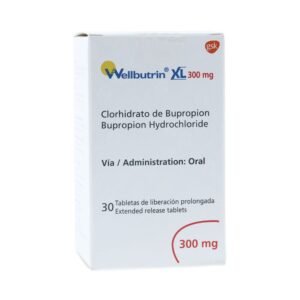






Buy Bupropion Online
What is bupropion?
Bupropion is an antidepressant medication used to treat depression and seasonal affective disorder. It also supports smoking cessation and weight management. Bupropion is the active ingredient in Wellbutrin and Zyban, Auvelity contains bupropion and dextromethorphan, and Contrave contains bupropion and naltrexone. Bupropion improves mood regulation and nicotine cravings and, when combined with naltrexone, helps reduce food intake.
Bupropion is thought to work by changing levels of certain chemicals in the brain, including noradrenaline and dopamine.
Bupropion first became an FDA-approved medicine on 30 December 1985.
What is bupropion used to treat?
The brands of bupropion are FDA-approved for specific conditions.
- Wellbutrin SR is used to treat major depressive disorder.
- Wellbutrin XL is used to treat MDD and seasonal affective disorder (SAD).
- Aplenzin is used to treat MDD and SAD.
- Zyban (discontinued) was used to help stop smoking.
- Auvelity (bupropion with dextromethorphan) is used to treat MDD in adults.
- Contrave (bupropion and naltrexone) is used for weight management for specific patients.
The information on this page is only about bupropion, and not bupropion with dextromethorphan (Auvelity) or bupropion with naltrexone (Contrave).
Bupropion side effects
Common bupropion side effects
The most common side effects may include:
- dry mouth, sore throat, stuffy nose;
- ringing in the ears;
- blurred vision;
- nausea, vomiting, stomach pain, loss of appetite, constipation;
- sleep problems (insomnia);
- tremors, sweating, feeling anxious or nervous;
- fast heartbeats;
- confusion, agitation, hostility;
- rash;
- weight loss;
- increased urination;
- headache, dizziness; or muscle or joint pain.
Serious bupropion side effects
Get emergency medical help if you have any of these signs of an allergic reaction to bupropion: (hives, itching, fever, swollen glands, difficult breathing, swelling in your face or throat) or a severe skin reaction (fever, sore throat, burning eyes, skin pain, red or purple skin rash with blistering and peeling).
Report any new or worsening symptoms to your doctor, such as: mood or behavior changes, anxiety, depression, panic attacks, trouble sleeping, or if you feel impulsive, irritable, agitated, hostile, aggressive, restless, hyperactive (mentally or physically), more depressed, or have thoughts about suicide or hurting yourself.
Call your doctor at once if you have:
- a seizure (convulsions);
- confusion, unusual changes in mood or behavior;
- blurred vision, tunnel vision, eye pain or swelling, or seeing halos around lights;
- fast or irregular heartbeats; or
- a manic episode – racing thoughts, increased energy, reckless behavior, feeling extremely happy or irritable, talking more than usual, severe problems with sleep.
This is not a complete list of side effects, and others may occur. Call your doctor for medical advice about side effects. You may report side effects to the FDA at 1-800-FDA-1088.
How should I take bupropion?
Take bupropion exactly as prescribed by your doctor. Follow all directions on your prescription label. Do not take this medicine in larger or smaller amounts or for longer than recommended. Too much of this medicine can increase your risk of a seizure.
Do not crush, chew, or break tablets. Swallow the tablet whole.
Take bupropion with food if the medication upsets your stomach.
If you have trouble falling asleep or staying asleep, do not take tablets too close to bedtime.
Your doctor will probably start you on a low dose of this medicine and gradually increase your dose.
It may take 4 weeks or longer before you feel the full benefit of this medicine. Continue to take your tablets even if you feel well. Do not stop taking this medicine without talking to your doctor. Your doctor may decrease your dose gradually.
You should not change your dose or stop using bupropion suddenly unless you have a seizure while taking this medicine. Stopping suddenly can cause unpleasant withdrawal symptoms.
Bupropion hydrochloride dosing information
Usual Adult Bupropion Dose for Depression:
Immediate-release tablets:
- Initial dose: 100 mg orally twice a day, increase if necessary after 3 days to 100 mg orally three times a day.
- Maintenance dose: 100 mg orally three times a day
- Maximum dose: 450 mg/day in up to 4 divided doses; single doses should not exceed 150 mg
- Immediate-release tablets should be given at least 6 hours apart.
- Dose increases of the immediate-release tablet should not exceed 100 mg per day in a 3-day period.
Sustained-release tablets:
- Initial dose: 150 mg orally once a day in the morning, increase if necessary after 3 days to 150 mg orally twice a day.
- Maintenance dose: 150 mg orally twice a day
- Maximum dose: 400 mg/day; maximum single dose should not exceed 200 mg
- Sustained-release oral tablets should be given at least 8 hours apart
Extended-release tablets:
- Initial dose: 150 mg orally once a day in the morning, increase if necessary after 4 days to 300 mg orally once a day.
- Maintenance dose: 300 mg orally once a day
- Maximum dose: 450 mg/day
- Extended-release oral tablets should be given at least 24 hours apart. Buy Bupropion Online
Showing the single result