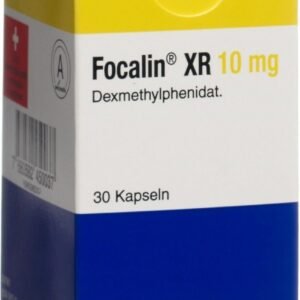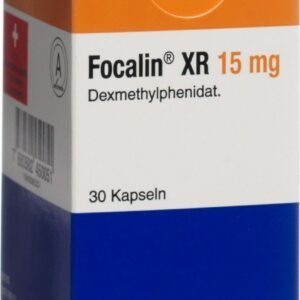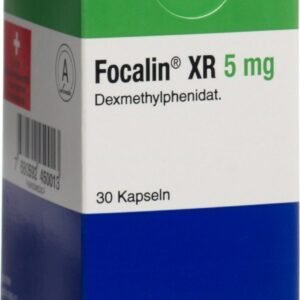






Buy Focalin Online
What is Focalin?
Focalin is a mild stimulant to the central nervous system. It affects chemicals in the brain that contribute to hyperactivity and impulse control.
Focalin is a prescription medicine used to treat attention deficit hyperactivity disorder (ADHD).
Dexmethylphenidate, sold under the brand name Focalin among others, is a central nervous system (CNS) stimulant used in the treatment of attention deficit hyperactivity disorder (ADHD) in those over the age of five years. It is taken by mouth. The immediate-release formulation lasts up to five hours while the extended-release formulation lasts up to twelve hours. It is the more active enantiomer of methylphenidate. Methylphenidate has been shown to be more effective than atomoxetine and superior in treating ADHD symptoms when compared.
Focalin should be used as a part of a total treatment program for ADHD that may include counseling or other therapies.
How should I take Focalin?
Take Focalin exactly as prescribed by your doctor. Follow all directions on your prescription label and read all medication guides or instruction sheets. Your doctor may occasionally change your dose.
Dexmethylphenidate may be habit-forming. Misuse can cause addiction, overdose, or death. Keep the medication where others cannot get to it. Selling or giving away Focalin is against the law.
Focalin is usually taken twice per day, at least 4 hours apart.
You may take Focalin with or without food. Take the regular tablet twice daily, at least 4 hours apart. Take the extended-release capsule once daily in the morning.
Focalin side effects
Get emergency medical help if you have signs of an allergic reaction to Focalin: fever; hives; difficulty breathing; swelling of your face, lips, tongue, or throat.
Call your doctor at once if you have:
- signs of heart problems – chest pain, trouble breathing, feeling like you might pass out;
- signs of psychosis – hallucinations (seeing or hearing things that are not real), new thought or behavior problems, aggression, hostility, paranoia;
- signs of circulation problems – numbness, pain, cold feeling, unexplained wounds, or skin color changes (pale, red, or blue appearance) in your fingers or toes; or
- penis erection that is painful or lasts 4 hours or longer.
Seek medical attention right away if you have symptoms of serotonin syndrome, such as: agitation, hallucinations, fever, sweating, shivering, fast heart rate, muscle stiffness, twitching, loss of coordination, nausea, vomiting, or diarrhea.
Dexmethylphenidate can affect growth in children. Your child’s height and weight may need to be checked often. Tell your doctor if your child is not growing at a normal rate.
Common Focalin side effects may include:
- loss of appetite;
- nausea, stomach pain; or
- fever.
This is not a complete list of side effects and others may occur. Call your doctor for medical advice about side effects. You may report side effects to FDA at 1-800-FDA-1088.
Medical uses
Dexmethylphenidate is used as a treatment for attention deficit hyperactivity disorder (ADHD), usually along with psychological, educational, behavioral or other forms of treatment. It is proposed that stimulants help ameliorate the symptoms of ADHD by making it easier for the user to concentrate, avoid distraction, and control behavior. Placebo-controlled trials have shown that once-daily dexmethylphenidate XR was effective and generally well tolerated.
Improvements in ADHD symptoms in children were significantly greater for dexmethylphenidate XR versus placebo. It also showed greater efficacy than osmotic controlled-release oral delivery system (OROS) methylphenidate over the first half of the laboratory classroom day but assessments late in the day favoured OROS methylphenidate.
Contraindications
Methylphenidate is contraindicated for individuals with agitation, tics, glaucoma, heart defects or a hypersensitivity to any ingredients contained in methylphenidate pharmaceuticals.
Pregnant women are advised to take methylphenidate only if the benefits outweigh the potential risks. Not enough human studies have been conducted to conclusively demonstrate an effect of methylphenidate on fetal development. In 2018, a review concluded that it has not been teratogenic in rats and rabbits, and that it “is not a major human teratogen”
Showing all 4 results